10/26/2026
Discover how CNC workflows have evolved from manual programming to automated production, improving programming efficiency, material utilization, machine productivity, and manufacturing flexibility.

CNC manufacturing has evolved significantly from manual code preparation and machine-specific programming to integrated digital workflows that connect design, programming, production planning, and machine operations. As manufacturing demands increase, businesses need faster, more accurate, and more flexible ways to manage CNC production.
Modern CAD/CAM software helps manufacturers automate repetitive programming tasks, optimize cutting operations, reduce manual errors, and improve coordination between engineering and the shop floor. This evolution enables fabrication businesses to handle complex jobs, manage changing production requirements, and make better use of machines and materials.
In this guide, we explore the evolution of CNC workflows, the limitations of manual programming, and how automation is transforming modern manufacturing.
In traditional CNC manufacturing, programmers often created machine instructions manually using G-code, machine-specific commands, and detailed process knowledge. Every component required careful planning of tool movements, cutting parameters, operation sequences, and machine settings.
Although manual programming provided direct control over machining operations, it required considerable technical expertise and time. As part complexity and production volumes increased, preparing and validating programs became more demanding, particularly for manufacturers handling multiple jobs and different CNC machines.

The introduction of Computer-Aided Design and Computer-Aided Manufacturing (CAD/CAM) software changed how manufacturers prepared CNC programs. Instead of writing every machine instruction manually, programmers could use digital part geometry, manufacturing parameters, and automated toolpath generation to prepare production-ready programs more efficiently.
CAD/CAM systems help translate engineering designs into manufacturing instructions while allowing programmers to review operations before production begins. This approach improves repeatability, reduces repetitive work, and supports more consistent programming practices across different jobs.
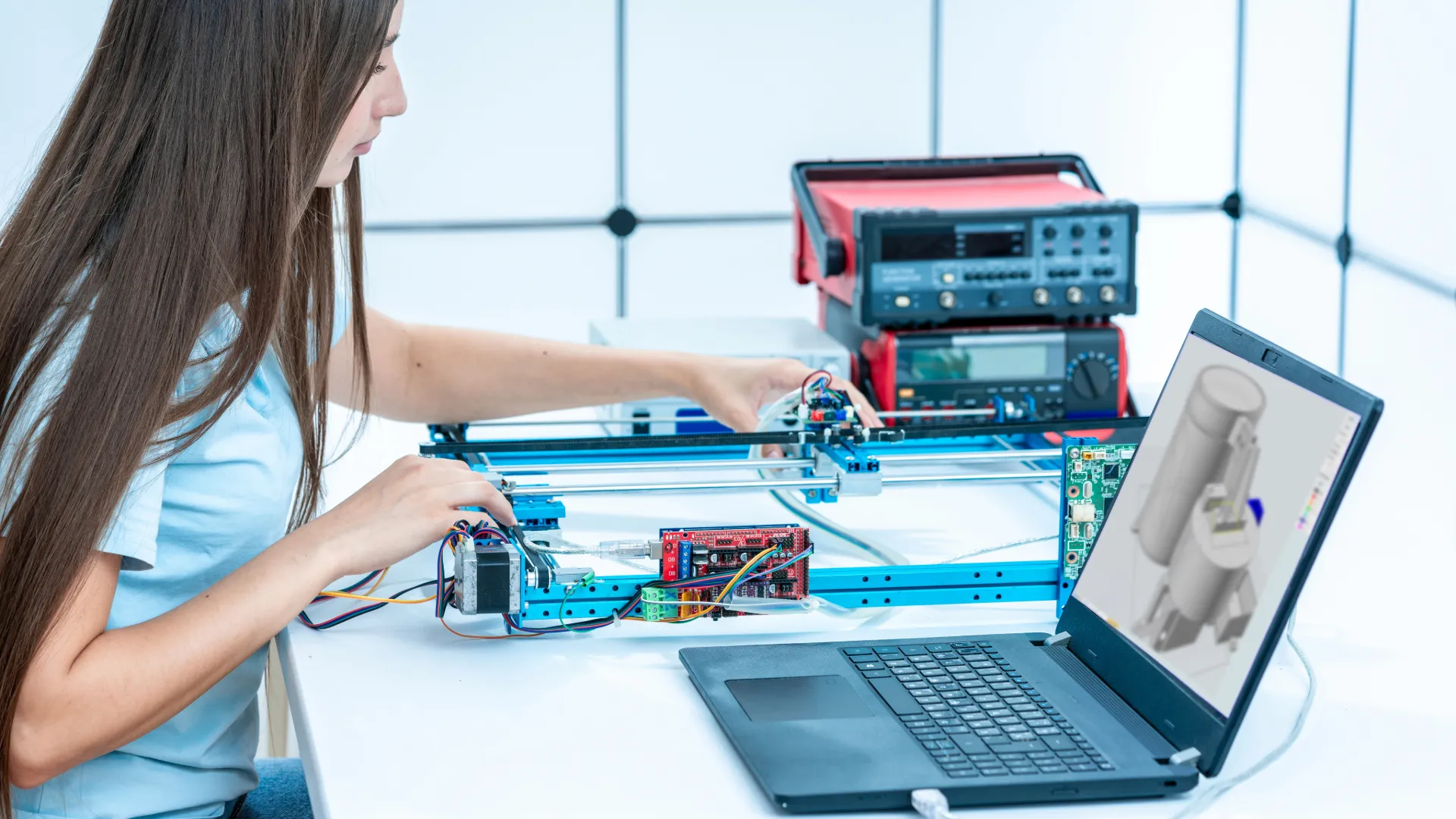
As CAD/CAM technology advanced, CNC workflows moved beyond individual program generation toward greater automation. Modern systems can automate tasks such as part preparation, nesting, toolpath generation, process selection, and CNC output creation, depending on the software configuration and machine capabilities.
This reduces the amount of repetitive manual intervention required for routine jobs and allows programming teams to focus on complex parts, production optimization, and quality improvement. Automation is especially valuable for manufacturers processing large numbers of components or frequent batches of similar parts.

Material utilization is a major consideration in sheet metal manufacturing. Traditional workflows may rely heavily on manual part placement, which can make it difficult to achieve efficient layouts when handling complex shapes, different part sizes, and changing order requirements
Modern nesting software uses optimization algorithms to arrange parts on sheets or plates while considering geometry, material constraints, spacing, and cutting requirements. Depending on the system, features such as True Shape nesting, common line cutting, and remnant management can further improve material utilization and reduce avoidable scrap.
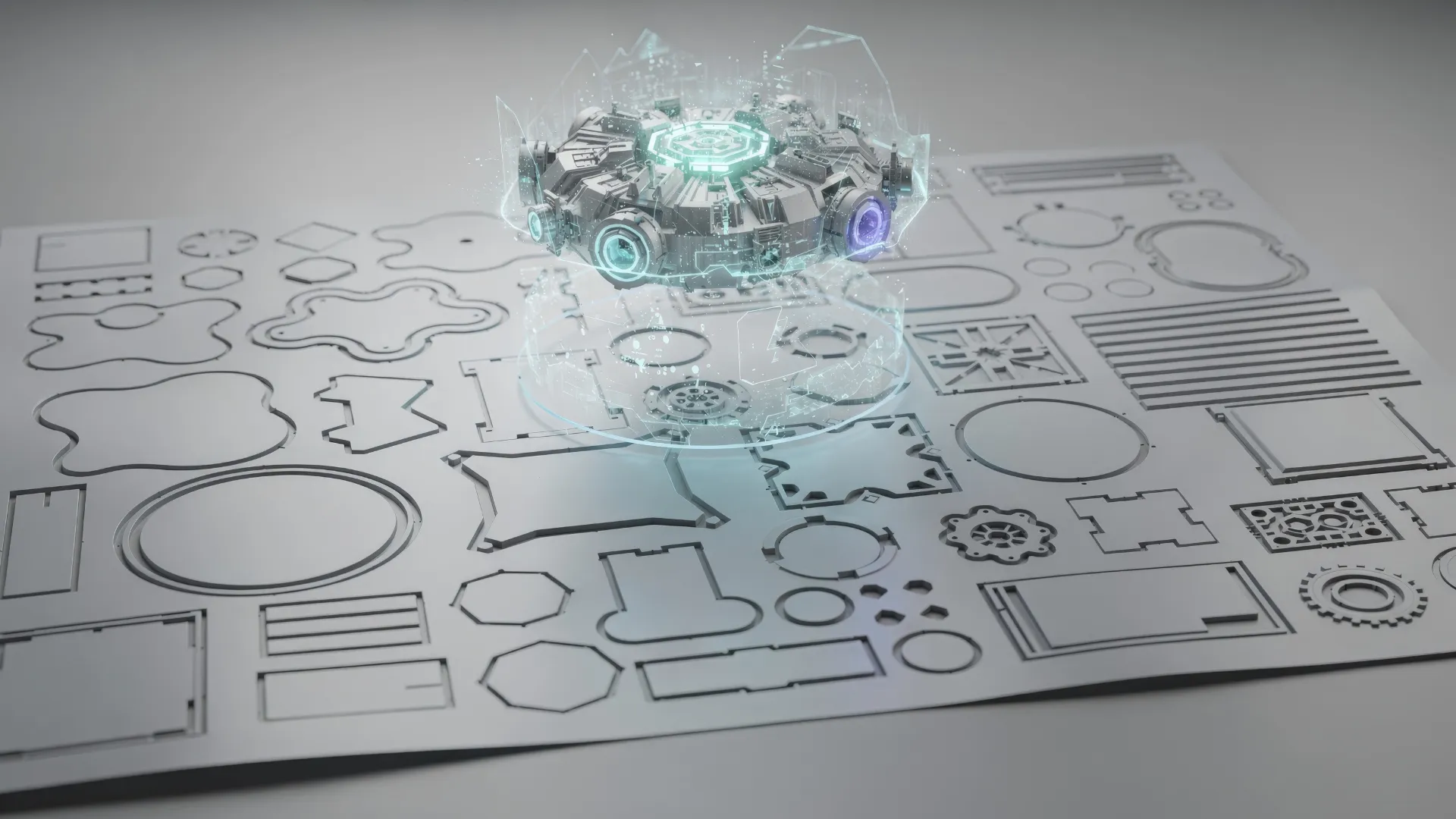
Modern manufacturing increasingly depends on connected systems that share accurate information across the production process. Integrating CAD/CAM software with ERP, MES, quoting, inventory, and scheduling systems can When supported by the relevant software and interfaces, information such as part details, material requirements, production orders, and job status can move more efficiently between departments. This helps businesses coordinate engineering, purchasing, planning, and shop-floor operations.

 CADCAM Automation Systems
Advanced CAD/CAM Software for Sheet Metal Manufacturing