10/27/2026
Discover how CAD/CAM software supports smart manufacturing through automated CNC programming, intelligent nesting, connected workflows, and better production planning to improve efficiency, material utilization, and manufacturing performance.
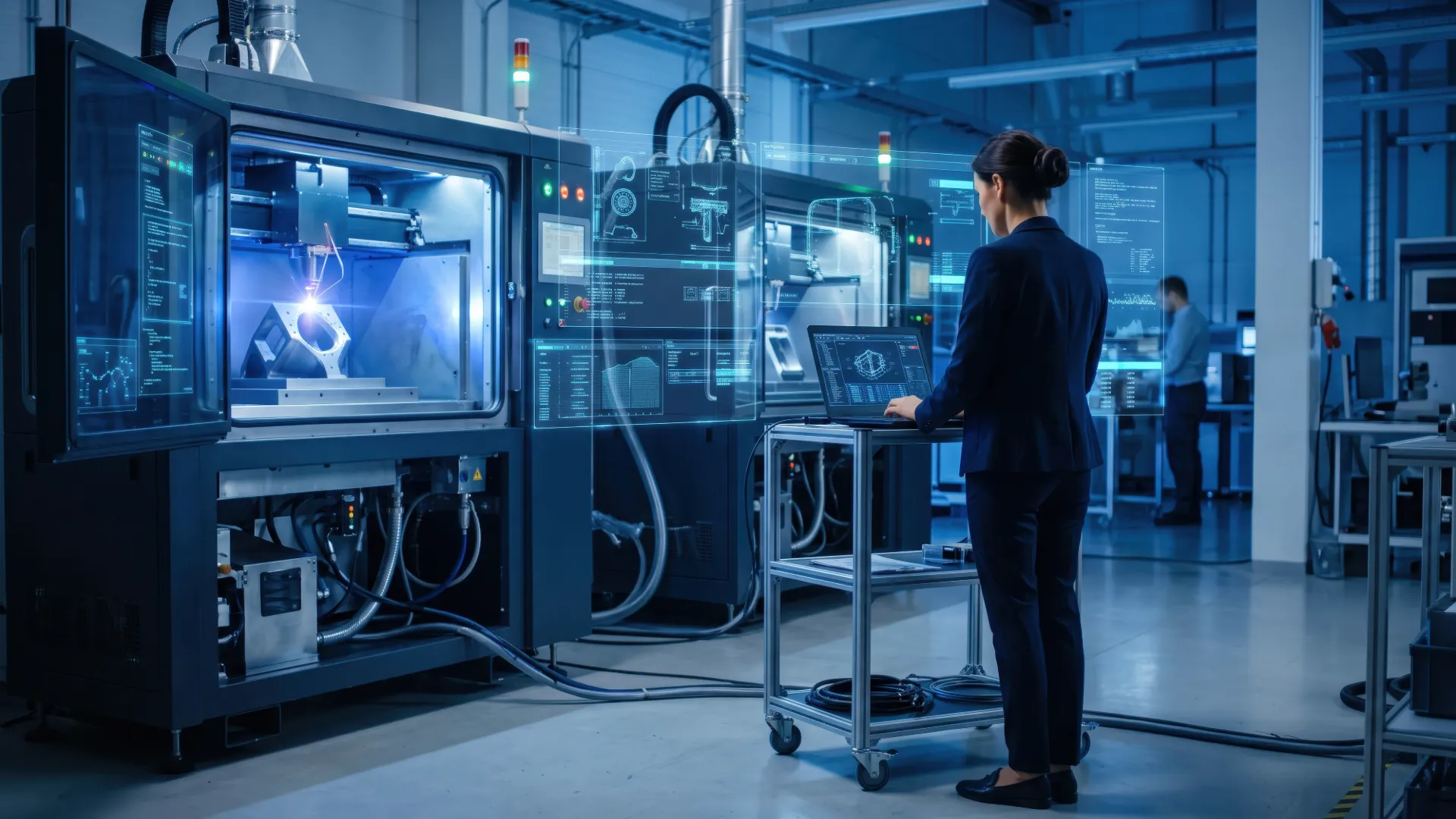
Manufacturing is changing rapidly as businesses look for better ways to improve productivity, control costs, reduce material waste, and meet increasingly demanding delivery schedules. Traditional methods that rely heavily on manual programming, disconnected systems, and repetitive production tasks can make it difficult to maintain efficiency as order volumes and product complexity increase. Smart manufacturing addresses these challenges by connecting digital design, production planning, CNC programming, and shop-floor operations through more intelligent and automated workflows.
CAD/CAM software plays an important role in this transformation by connecting product design with manufacturing execution. It helps engineering teams prepare CAD data, generate CNC programs, optimize material usage through intelligent nesting, and prepare production-ready information with greater consistency. When integrated appropriately with ERP, MES, and other manufacturing systems, CAD/CAM can also support better information flow between departments and reduce repetitive data entry.
Smart manufacturing uses digital technologies, automation, and connected production systems to make manufacturing operations more efficient, flexible, and informed by data. Instead of treating design, engineering, planning, and machine operations as separate activities, it aims to create a more connected process in which information moves reliably from one stage to the next.
For example, when a manufacturer receives a new customer drawing, the engineering team can prepare the CAD data, develop the manufacturing strategy, optimize material usage, and generate CNC programs using an integrated digital workflow. This reduces dependence on repetitive manual tasks and helps teams prepare production information more consistently.
Smart manufacturing does not necessarily require replacing every existing machine or investing in a completely new factory. Manufacturers can begin by digitizing specific processes, automating repetitive work, and improving the way their existing equipment and software exchange information.
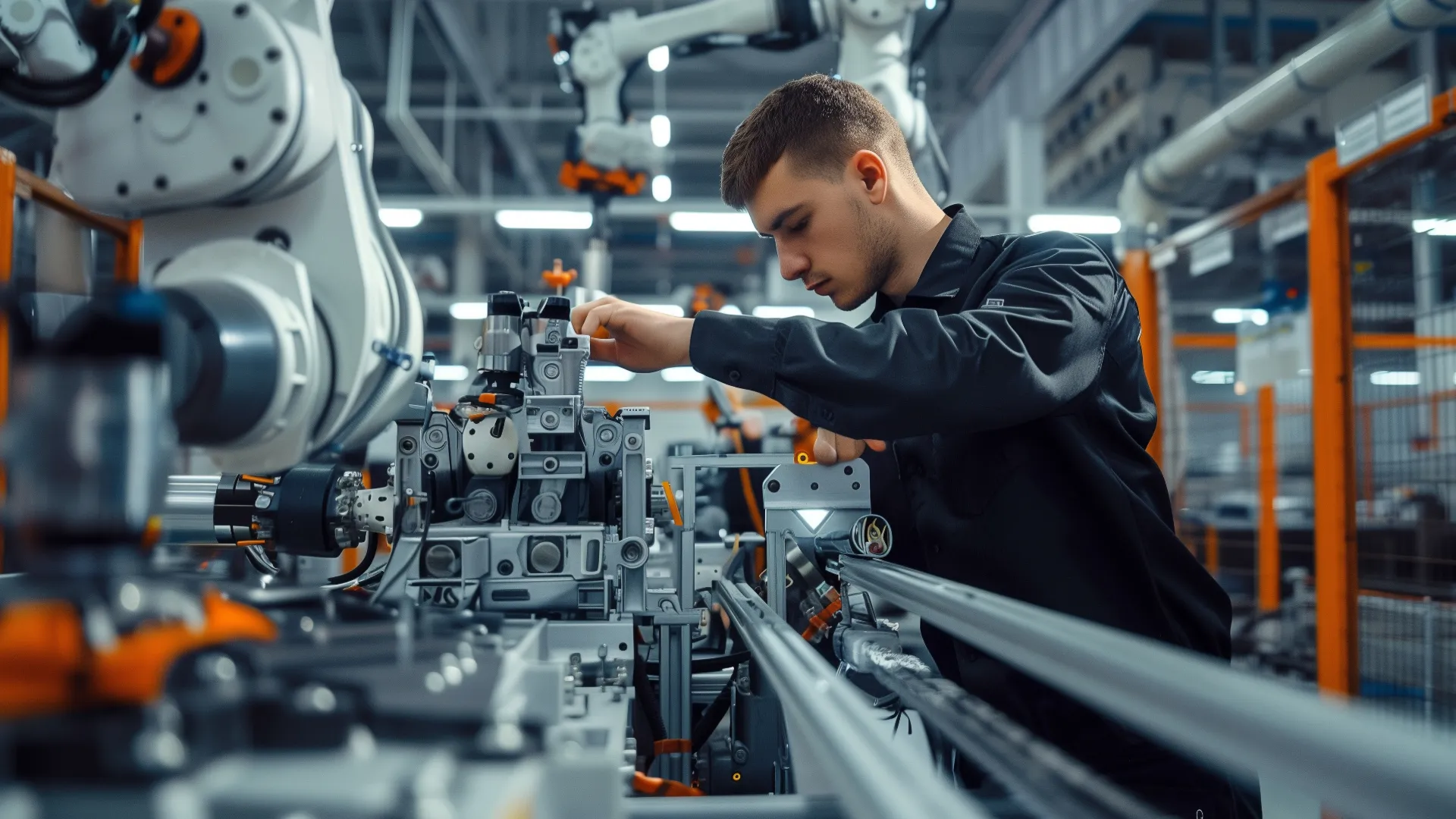
One of the biggest challenges in manufacturing is converting engineering designs into accurate, practical instructions for production. When this process involves multiple manual steps, teams may spend valuable time checking drawings, preparing geometry, creating toolpaths, and correcting programming errors before a job is ready for the machine.
CAD/CAM software bridges the gap between product design and manufacturing by helping engineers prepare part geometry, select suitable machining strategies, arrange parts for cutting, and generate NC programs for supported CNC equipment. Depending on the software capabilities and implementation, some of these activities can be automated or standardized to reduce programming effort and improve repeatability.
This connection is especially valuable for manufacturers handling frequent design changes, customized orders, and a wide range of components. When engineering information is prepared correctly and transferred through a controlled digital workflow, teams can reduce avoidable rework and move jobs toward production more efficiently
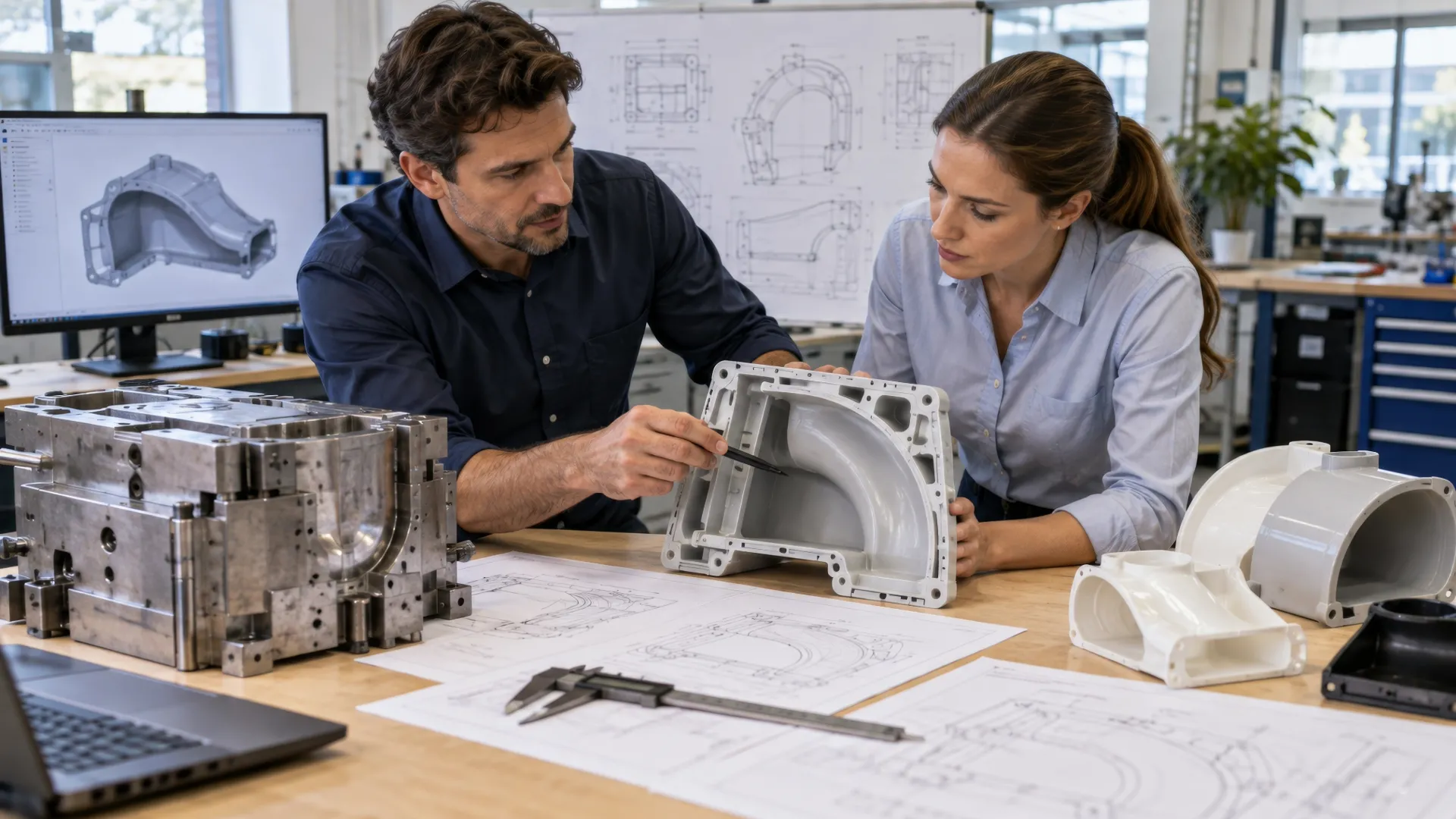
Material is a major cost factor in sheet metal fabrication and many other cutting-intensive manufacturing processes. Poor part arrangement, unnecessary gaps, excessive remnants, and repeated manual nesting can increase material consumption and affect the profitability of individual jobs.
Intelligent nesting software helps arrange multiple components on a sheet or other suitable raw material according to defined manufacturing constraints. Advanced nesting capabilities can consider part geometry, rotation, material type, thickness, cutting rules, and machine-specific requirements. The objective is to improve material utilization while maintaining the practical requirements of the cutting process.
Almacam nesting capabilities can help manufacturers optimize part placement and prepare cutting jobs more efficiently for supported applications. Actual savings depend on part geometry, production mix, material specifications, nesting settings, and existing practices, so manufacturers should evaluate performance using representative production jobs rather than assume a fixed percentage improvement

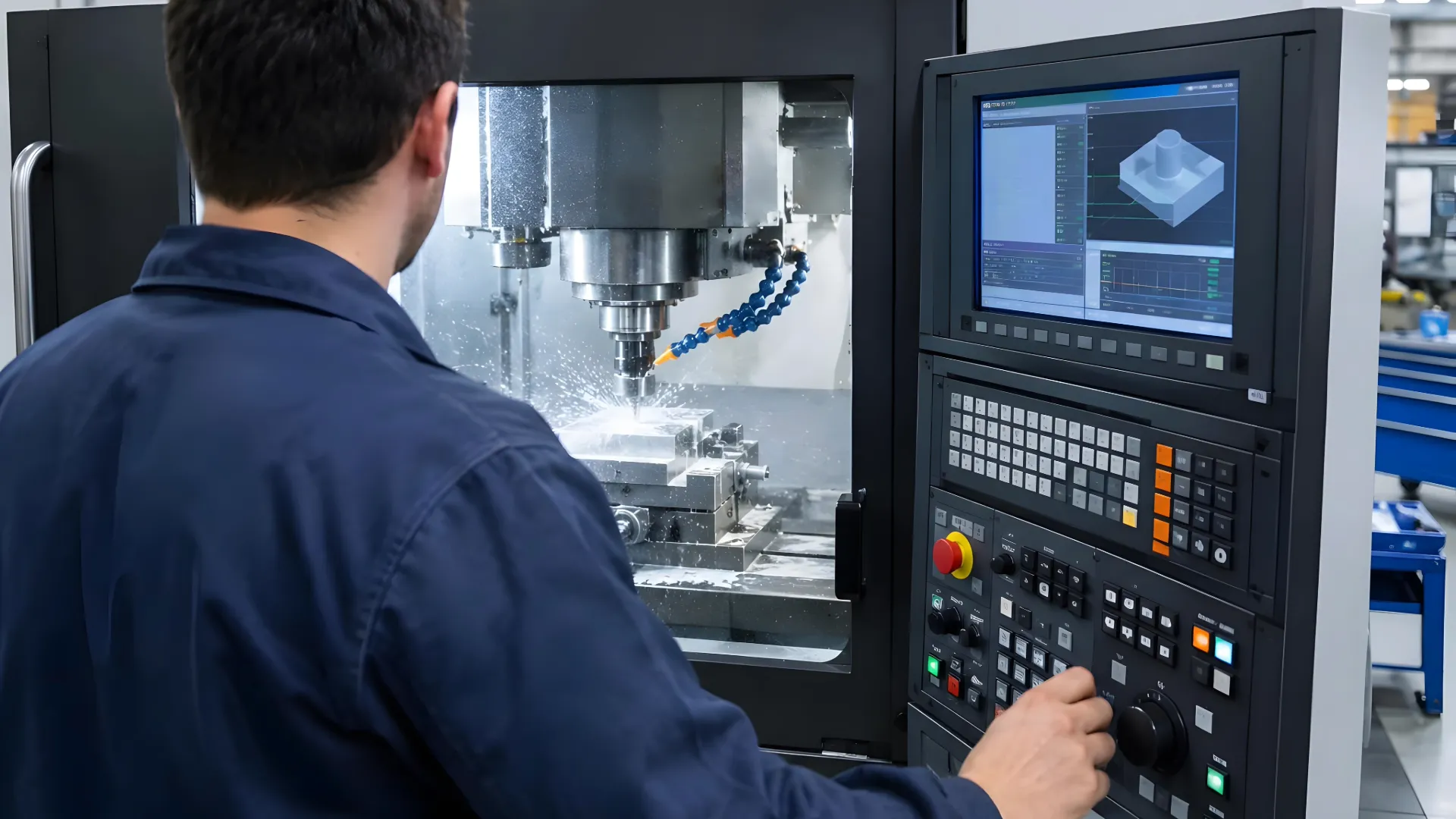
Manual CNC programming can become a bottleneck when manufacturers handle many components, frequent orders, or several machine types. Engineers must prepare cutting strategies, define process parameters, check machine requirements, and ensure that the generated program matches the intended manufacturing operation. Repeating these tasks manually can consume engineering time and introduce avoidable inconsistencies.
machine-specific rules, and generating NC code through appropriate post-processors. Simulation and verification tools, where available, can help programmers review toolpaths and identify potential issues before programs reach the shop floor.
For manufacturers using laser cutting, tube cutting, routing, or other supported CNC processes, the right software configuration can make programming workflows more repeatable. Machine compatibility, post-processor accuracy, and proper validation remain essential: generated programs must be checked against the actual machine, controller, tooling, and operating procedures before production use
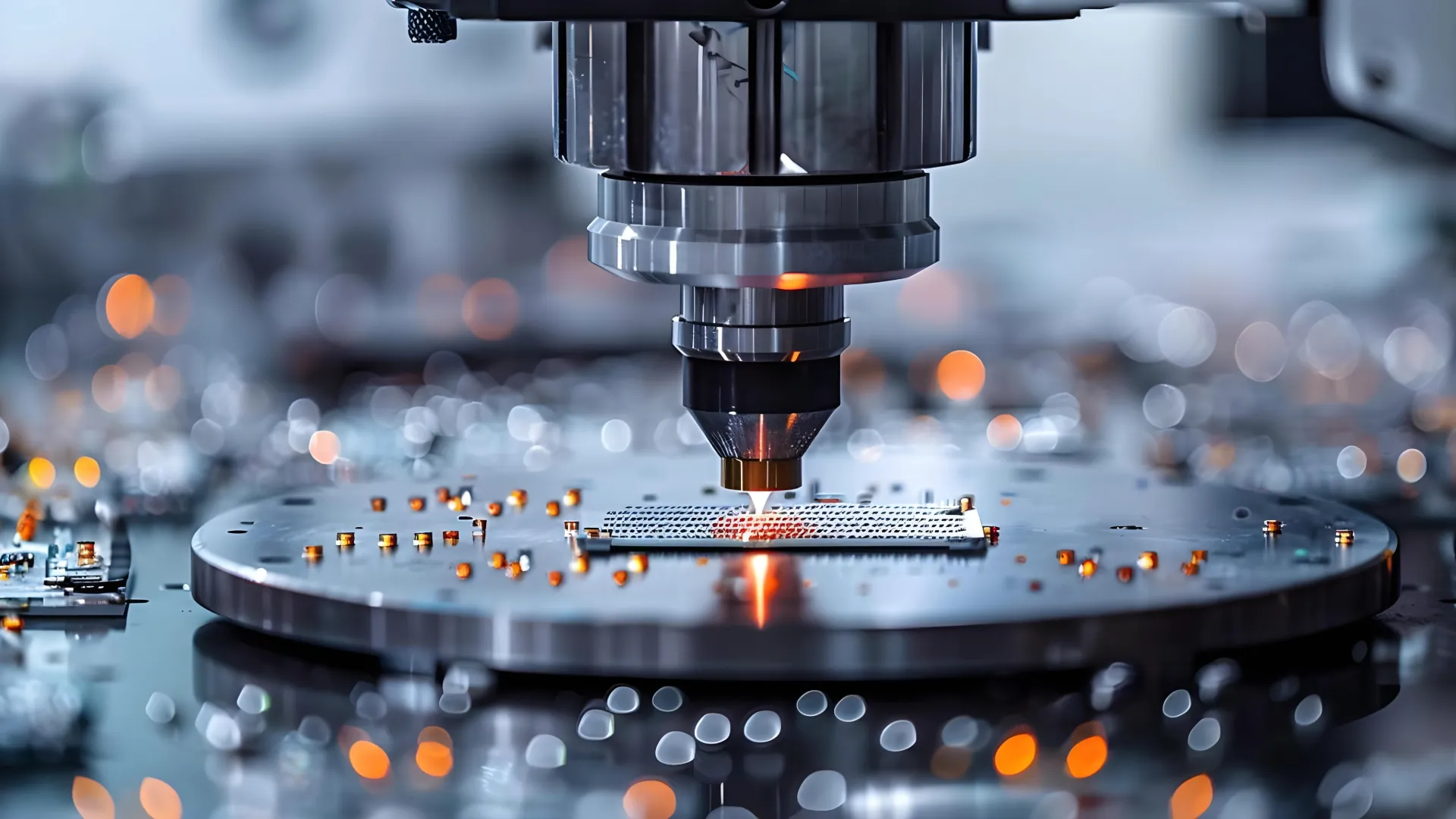
Smart manufacturing depends on more than efficient machine programming. Sales, estimating, engineering, purchasing, and production planning all need reliable information to coordinate orders, materials, priorities, and delivery commitments. When each department maintains separate records or manually re-enters information, inconsistencies can lead to delays and unnecessary administrative work.
Integrating CAD/CAM with suitable ERP, MES, or production planning systems can help manufacturers create a more connected digital workflow. Depending on the available interfaces and project scope, information such as job references, part details, material requirements, production instructions, and NC program status may be exchanged between systems.
Integration capabilities vary by product, software version, and customer environment. Manufacturers should define exactly which information needs to move between systems and confirm the available interfaces before implementation. A well-planned integration can reduce duplicate data entry, improve traceability, and help teams coordinate work more effectively.
 CADCAM Automation Systems
Advanced CAD/CAM Software for Sheet Metal Manufacturing