CNC NESTING GUIDE
Learn what CNC nesting is, how it optimizes sheet metal layouts, reduces material waste, improves cutting efficiency, and streamlines CNC manufacturing.
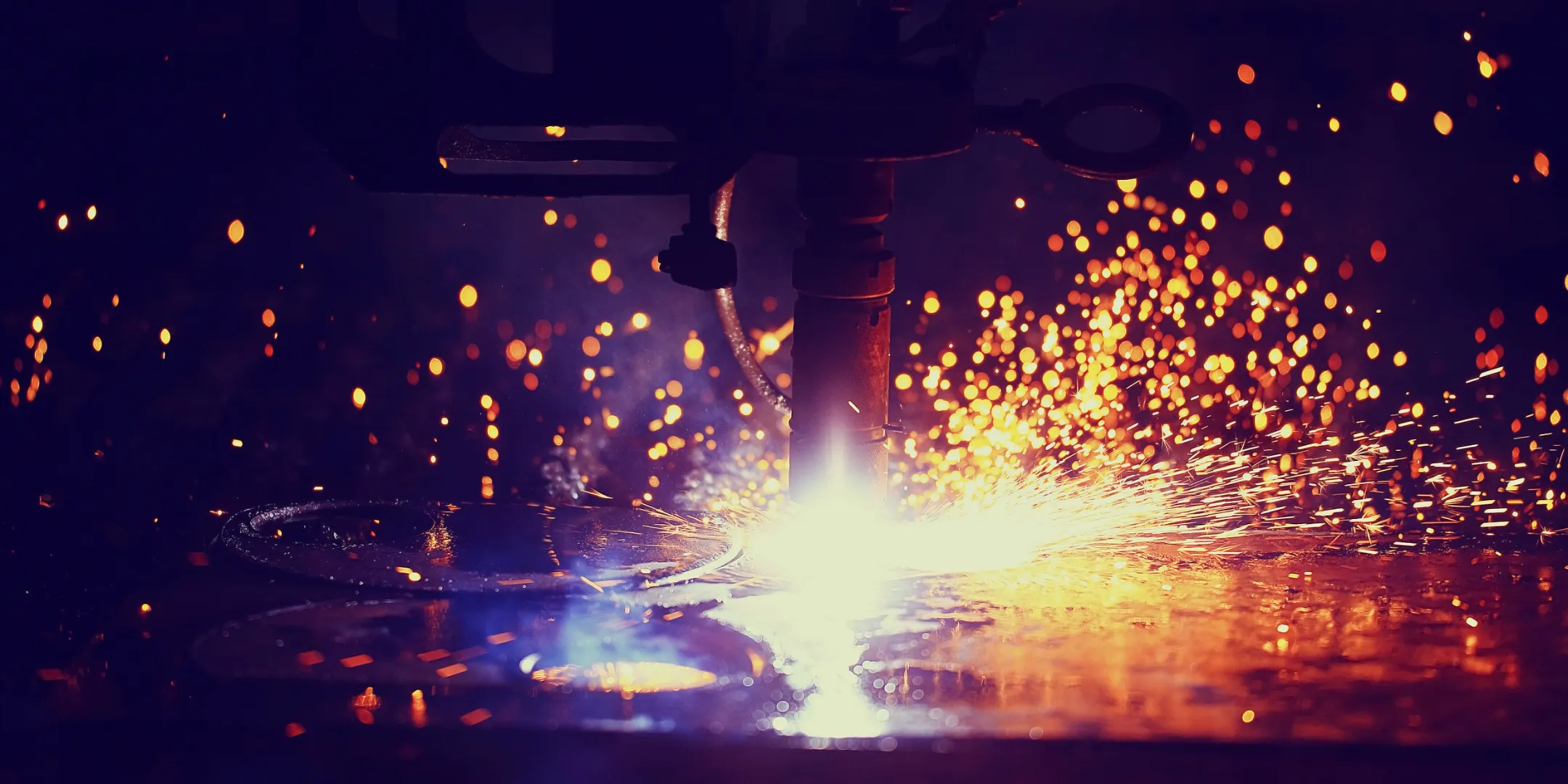
CNC nesting is an essential part of modern sheet metal manufacturing. It determines how multiple parts are arranged on a sheet or plate before CNC cutting, with the goal of maximizing material utilization while maintaining efficient cutting paths.
For manufacturers using laser, plasma, oxyfuel or waterjet cutting machines, effective nesting can reduce material waste, shorten cutting time and improve overall production efficiency. CAD/CAM nesting software automates this process by analyzing part geometry, arranging components efficiently and preparing optimized cutting layouts.
In this guide, we explain what CNC nesting is, how it works, its key benefits, and why automated nesting is important for sheet metal manufacturers looking to improve productivity and reduce manufacturing costs.
CNC nesting is the process of arranging multiple CAD parts on a sheet or plate in an optimized layout before CNC cutting. The objective is to use as much of the available material as possible while maintaining suitable spacing, cutting conditions and production requirements.
For example, instead of cutting individual parts from separate sheets, nesting software can place multiple components together on a single sheet. This can increase material utilization and reduce scrap.
CNC nesting is commonly used with laser, plasma, oxyfuel and waterjet cutting processes.
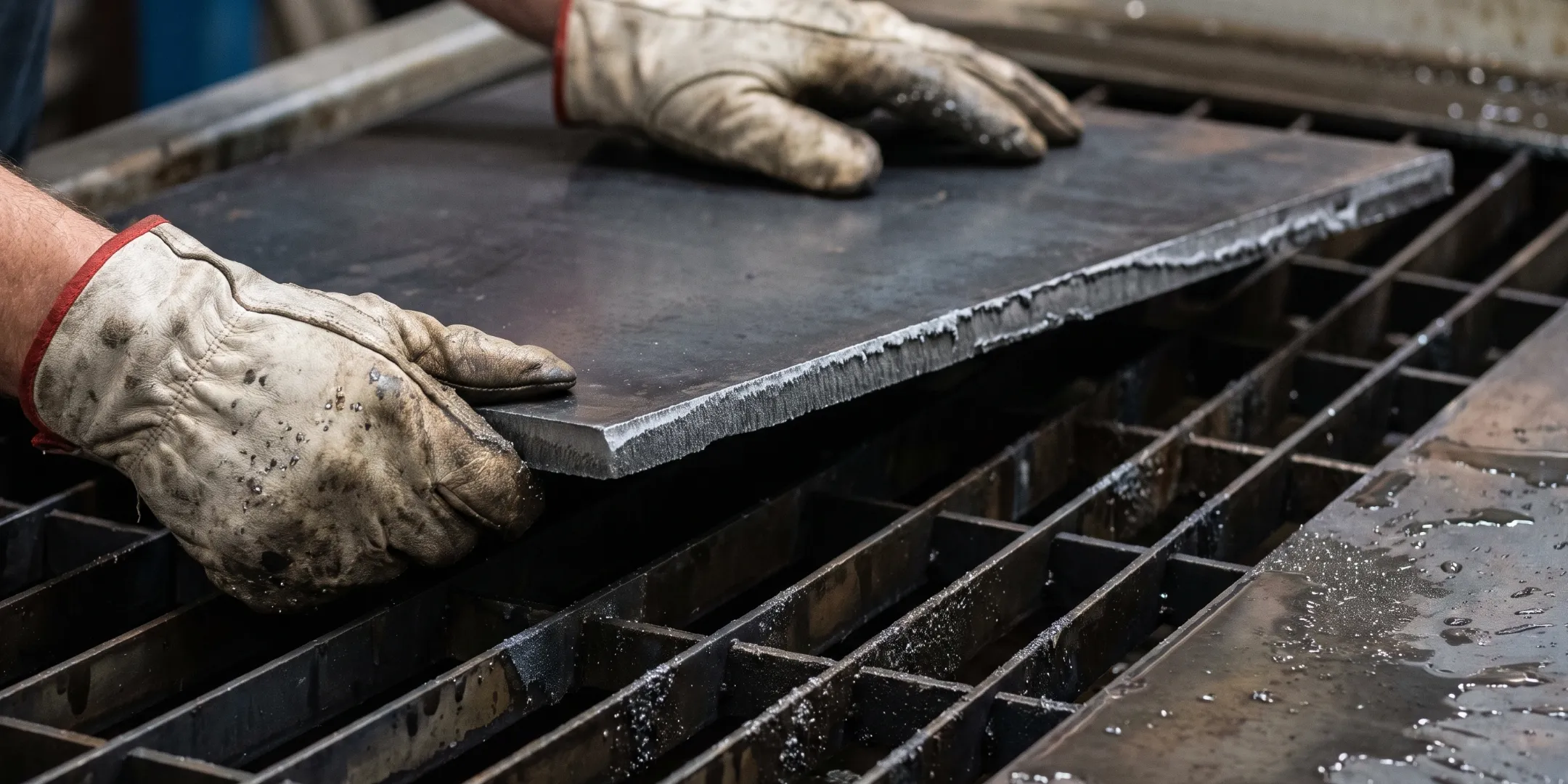
Material is one of the major costs in sheet metal manufacturing. Poorly arranged parts can leave large areas of unused material, increasing scrap and manufacturing costs.
CNC nesting helps manufacturers make better use of every sheet by creating optimized part layouts. This is particularly important for manufacturers producing large quantities of components or working with expensive materials.
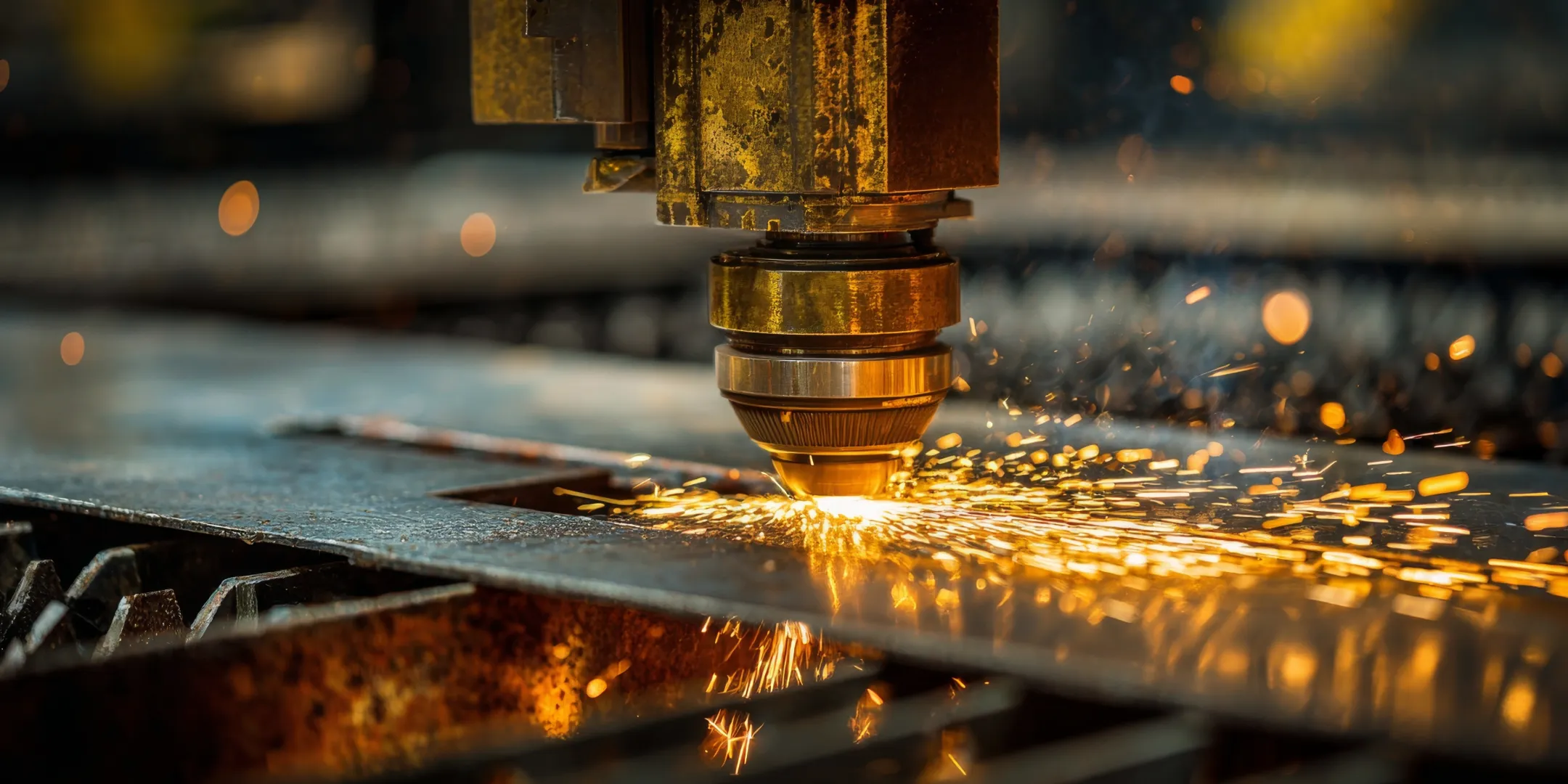
CNC nesting can be used with different cutting technologies, depending on the machine and manufacturing requirements.
Laser cutting requires accurate part placement and optimized cutting paths. Efficient nesting can help maximize sheet utilization while supporting faster and more organized production.
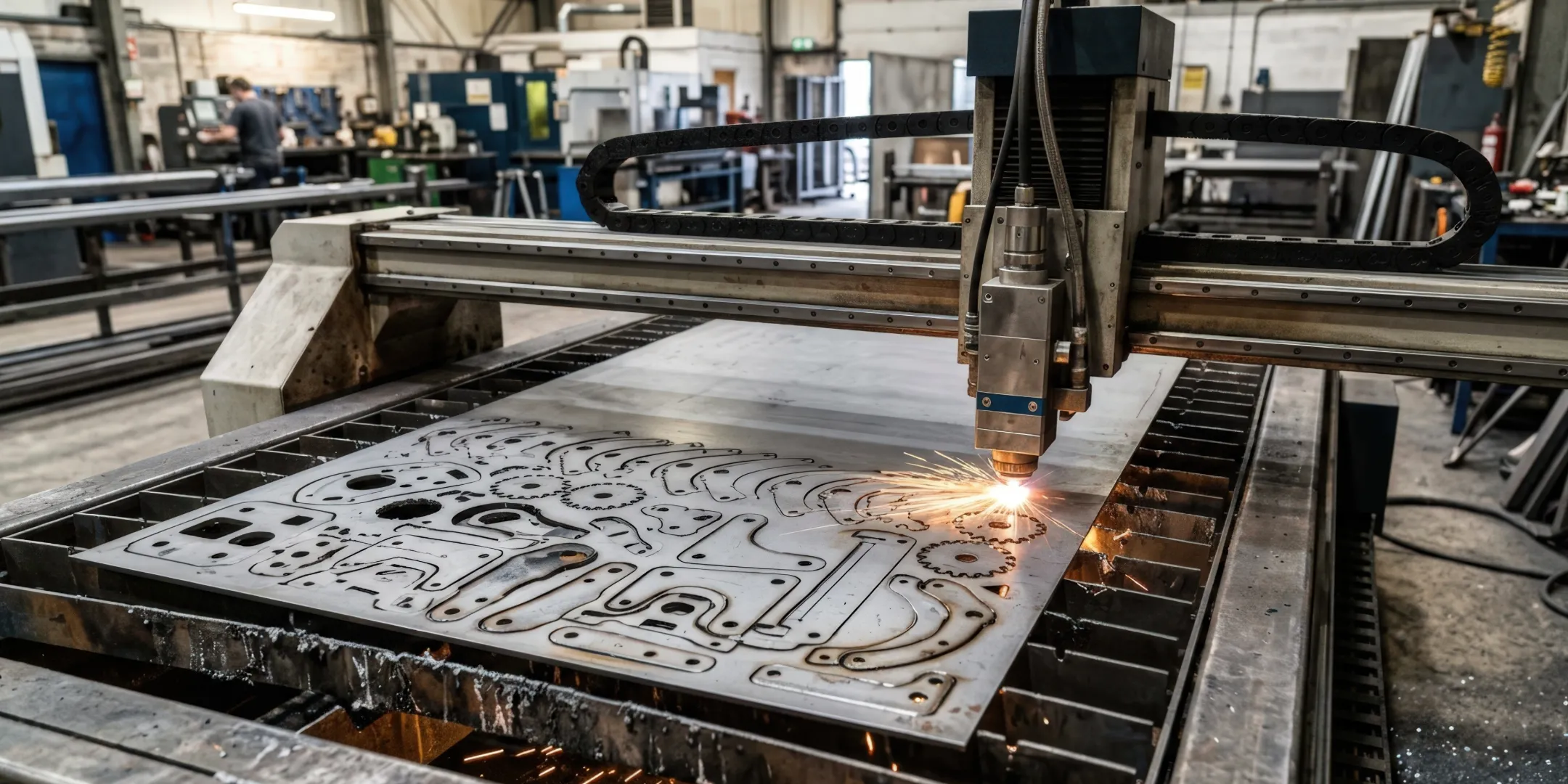
Manual nesting requires an operator to arrange parts individually on a sheet. While experienced operators can create effective layouts, the process can take significant time and may not always achieve the highest possible material utilization.
Automatic nesting software evaluates multiple possible arrangements and can quickly create optimized layouts based on predefined manufacturing rules.
Modern CAD/CAM nesting software connects part preparation, nesting and CNC programming into a more streamlined workflow. Instead of treating nesting as a separate manual activity, manufacturers can integrate it into their overall digital manufacturing process.
A CAD/CAM solution can help manufacturers move from CAD geometry to optimized nesting and CNC cutting programs more efficiently.
 CADCAM Automation Systems
Advanced CAD/CAM Software for Sheet Metal Manufacturing