10/27/2026
Discover how integrated CAD/CAM software helps manufacturers maintain consistent programming workflows across different CNC machines, reduce setup complexity, improve production flexibility, and streamline sheet metal manufacturing.
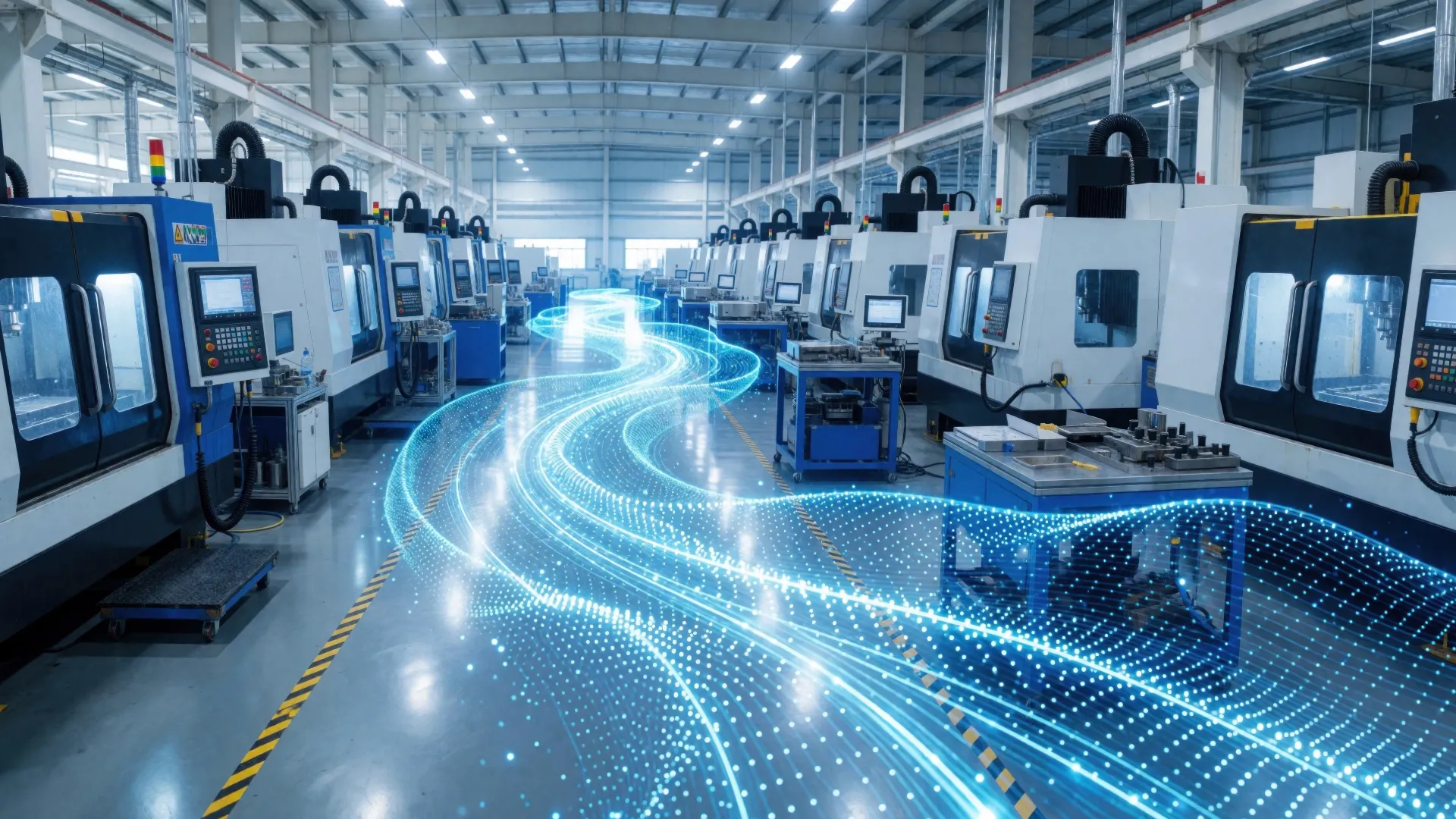
In modern manufacturing, flexibility is essential. Production requirements change, machine capacities vary, and manufacturers often need to transfer jobs between different CNC machines to meet delivery schedules. However, switching machines can create unnecessary complexity when programming methods, job preparation processes, and production data are not standardized.
A well-integrated CAD/CAM workflow helps manufacturers maintain a consistent approach to programming across compatible CNC machines. Instead of rebuilding processes every time a job moves to another machine, teams can reuse manufacturing data, standardize programming practices, and adapt jobs to the selected equipment. With solutions such as Almacam, manufacturers can work toward a more connected, flexible, and efficient sheet metal production environment.
In today's manufacturing industry, flexibility is important for maintaining productivity and meeting customer deadlines. Many manufacturers use different CNC machines for cutting, punching, and processing sheet metal components. Each machine has its own capabilities, tooling requirements, programming methods, and operating parameters.
When a production job needs to move from one machine to another, the process is not always as simple as transferring a file. Programmers may need to adjust toolpaths, review machine settings, and prepare new programs before production can begin. If the manufacturing workflow is not properly organized, these additional steps can consume valuable time and create unnecessary complexity.
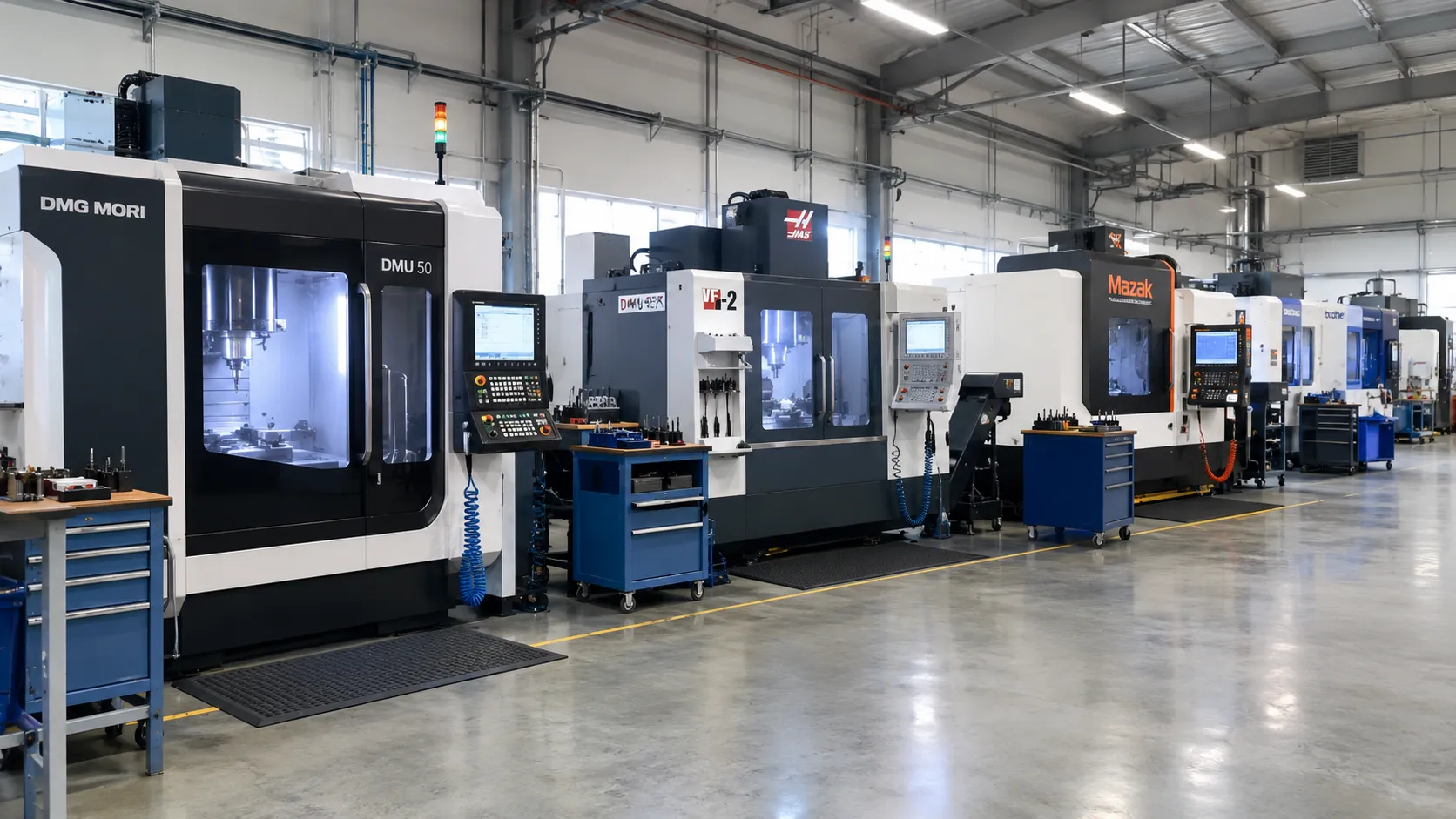
A consistent manufacturing workflow gives your team a clear and repeatable way to move from design to production. Instead of following a different process for every machine or job, programmers can work with standardized procedures for importing design files, preparing parts, reviewing manufacturing requirements, and generating machine-ready programs.
This does not mean every machine must use exactly the same settings. Each machine still needs the correct configuration and program output. The goal is to make the overall process more organized so that changing machines does not require the team to rethink every step from the beginning.
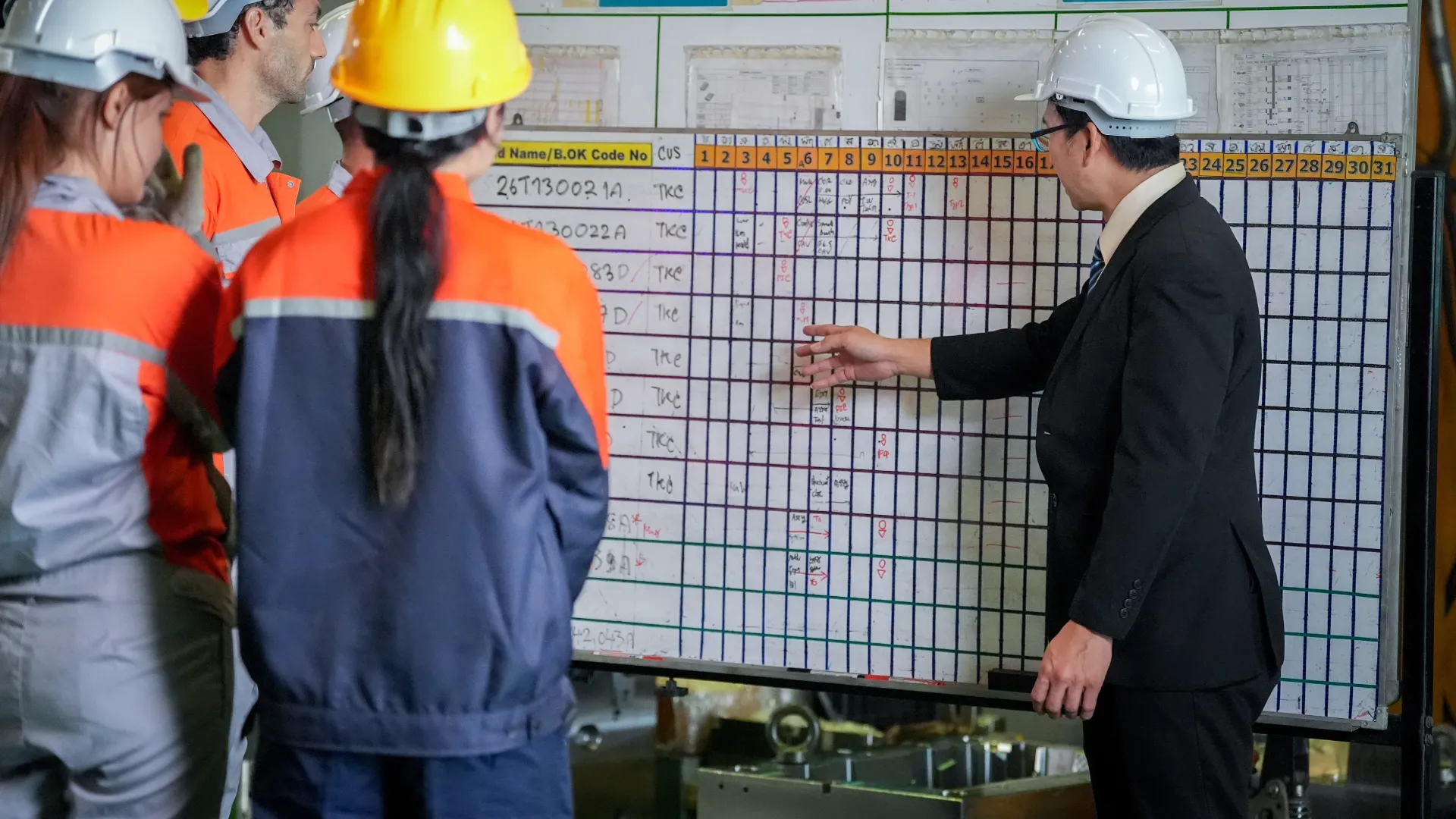
CAD/CAM software plays an important role in connecting product design with actual manufacturing operations. It helps manufacturers prepare parts, plan cutting operations, create toolpaths, and generate programs for supported CNC machines. When these activities are managed within a coordinated software environment, teams can spend less time switching between disconnected tools and searching for manufacturing information.
For sheet metal manufacturers, this can be particularly useful when handling different materials, part geometries, cutting requirements, and production volumes. A structured CAD/CAM workflow helps keep the preparation process organized while allowing the necessary adjustments for each machine.

Repetitive programming tasks can consume a significant amount of time, especially when manufacturers handle similar parts or recurring customer orders. If manufacturing information is difficult to find or existing programs are not organized properly, programmers may end up recreating work that has already been completed.
A well-managed CAD/CAM workflow makes it easier to retrieve previous job information and reuse suitable manufacturing data. Programmers can then concentrate on the adjustments that are genuinely required for the new job or machine.

When manufacturers move a job between CNC machines, maintaining quality is just as important as saving time. Different machines may use different tooling, cutting parameters, controller settings, or operating capabilities. Simply transferring a program without reviewing these differences can lead to manufacturing errors or parts that do not meet the required specifications.
The objective should be to maintain consistent quality standards while adapting the manufacturing process to the machine being used. CAD/CAM software can support this process, but appropriate programming checks, machine validation, and quality inspections remain essential.
 CADCAM Automation Systems
Advanced CAD/CAM Software for Sheet Metal Manufacturing